Artist: Paul Albright
Step One — Video Interview
July 28th
I first met with sculptor Paul Albright in late July for a video interview that introduced me to both his work and the way he thinks through making. These early conversations are less about summarizing a career and more about understanding how an artist arrived where they are, what instincts have stayed constant, and what continues to evolve. These conversations inform the work moving forward.
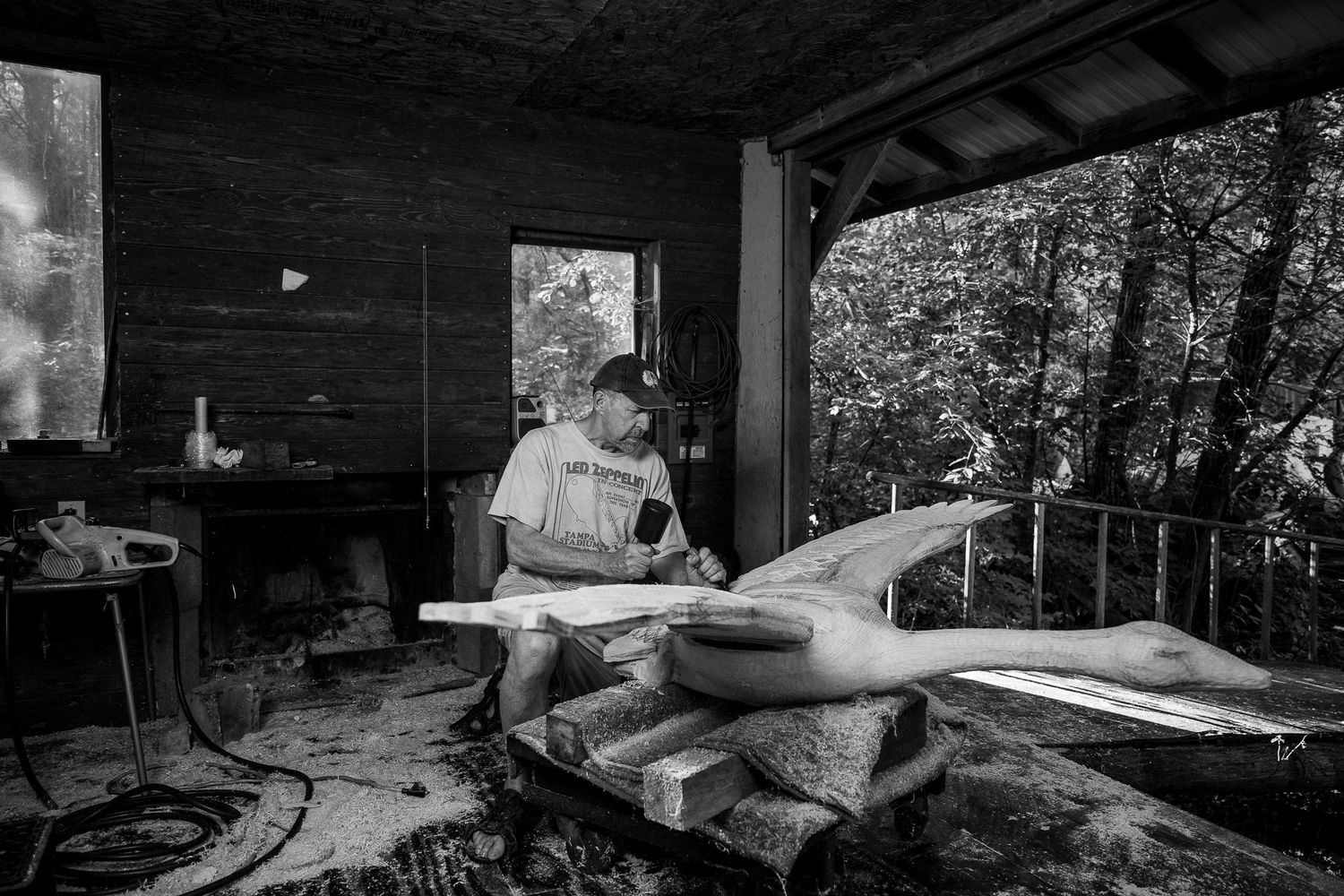
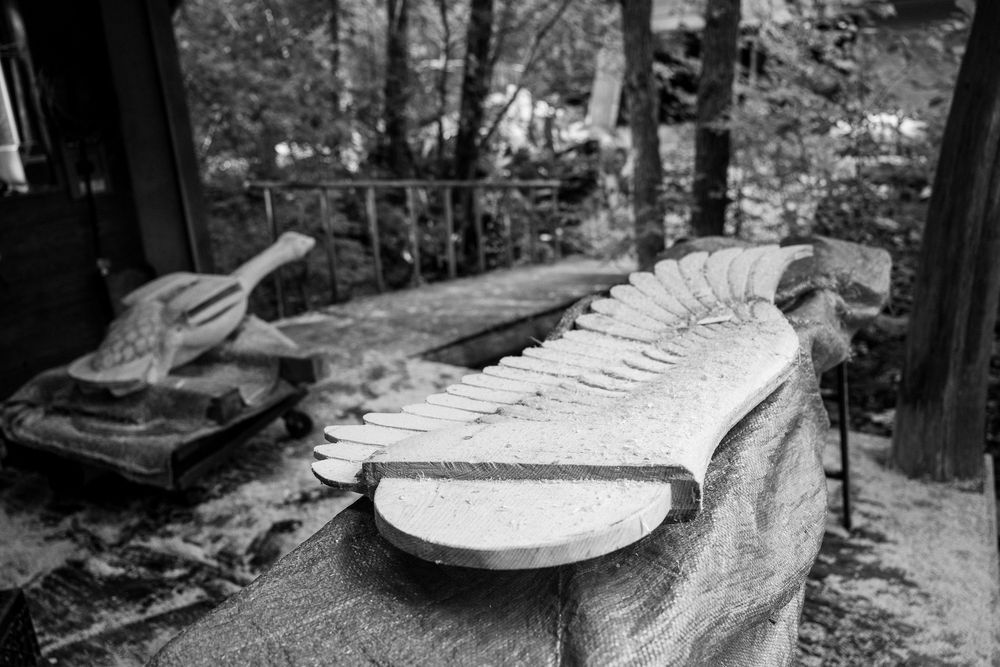
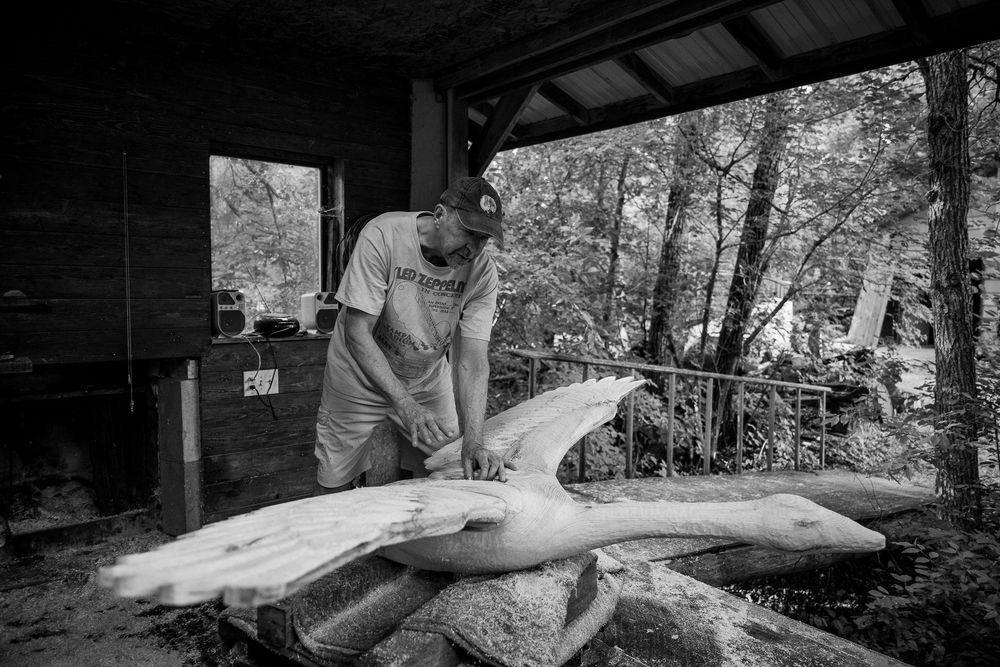
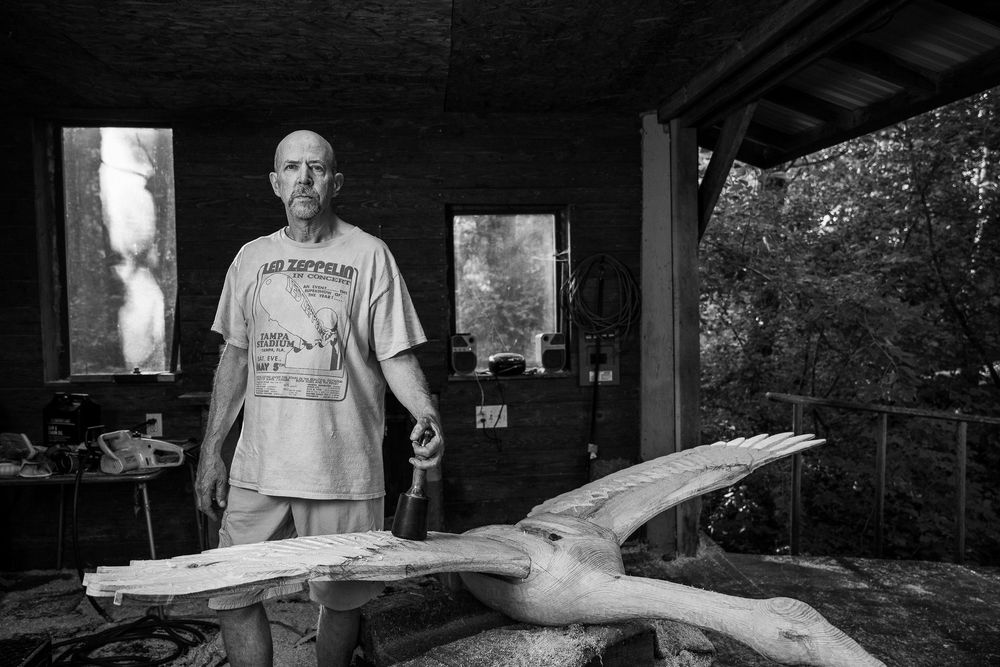
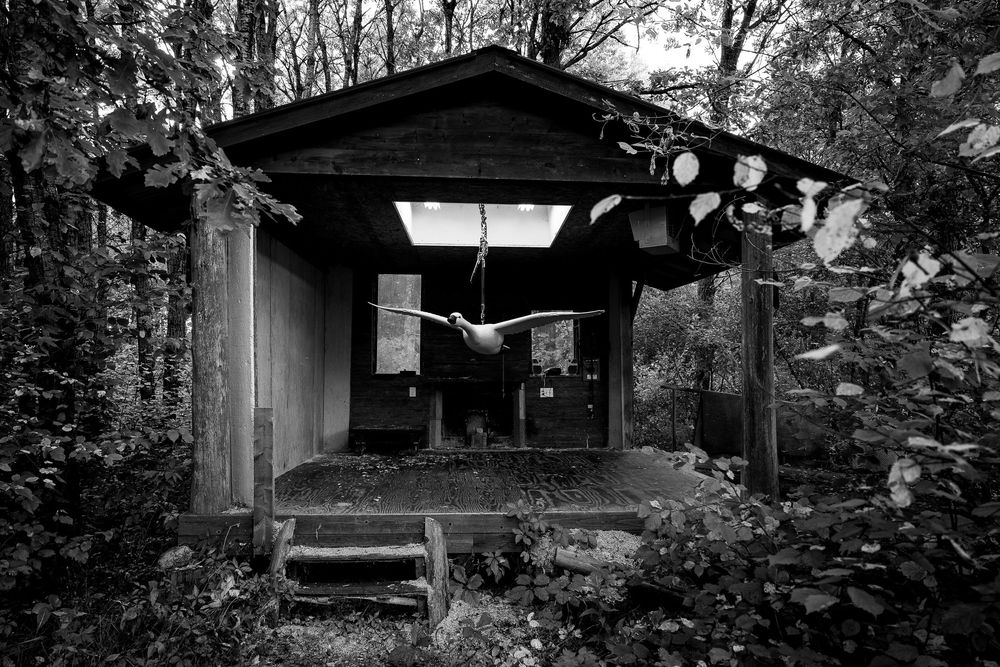
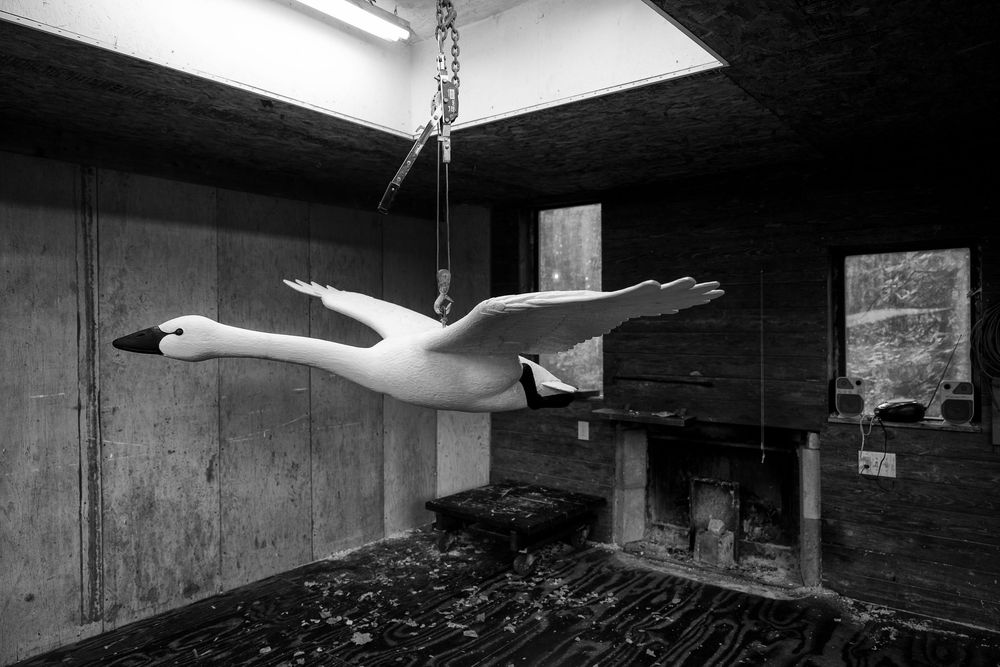
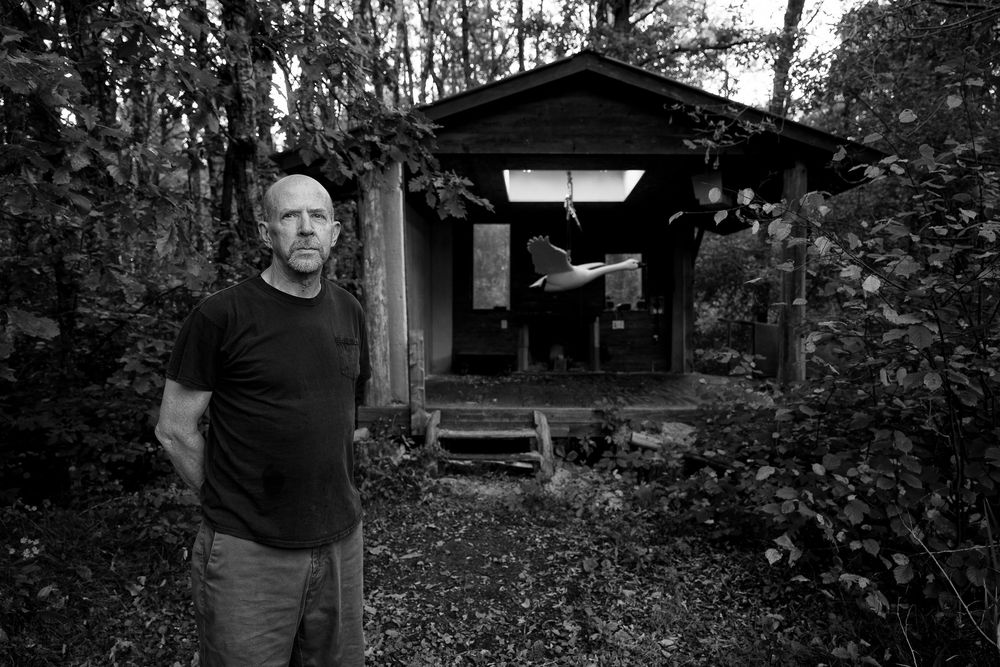
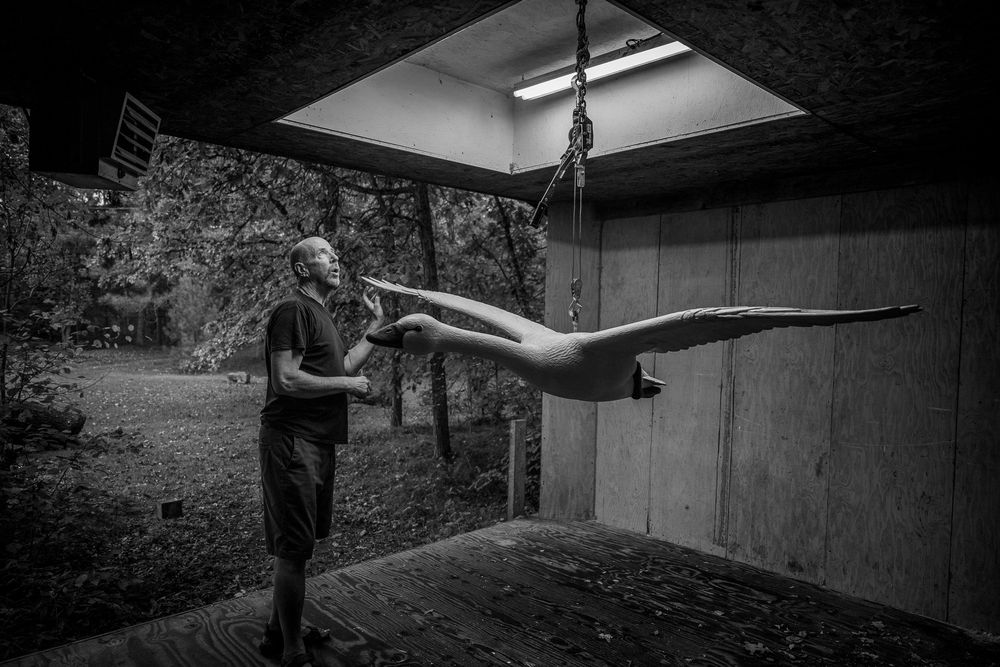
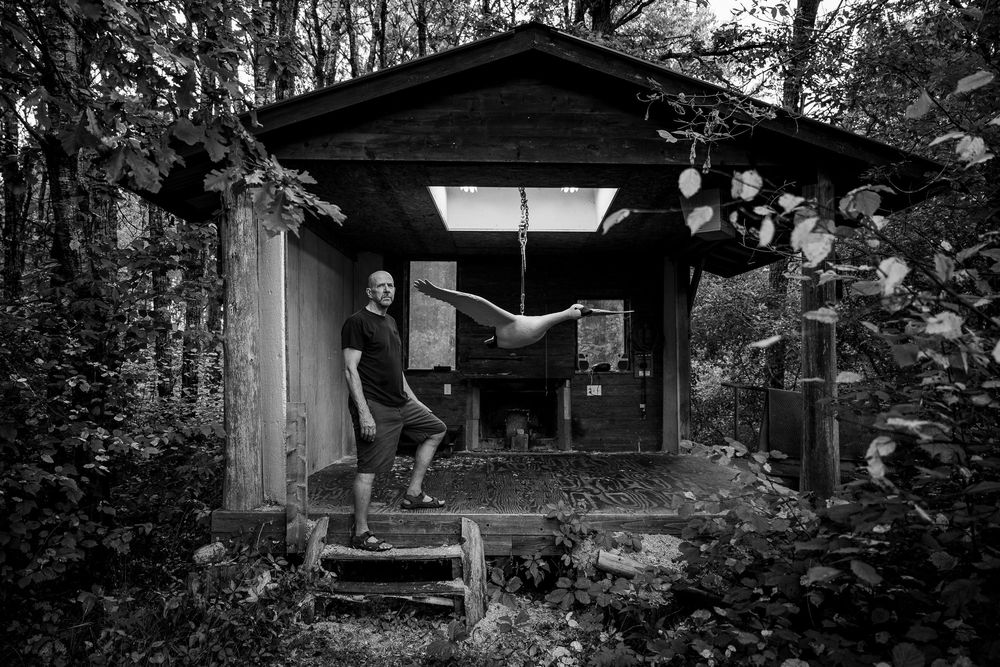
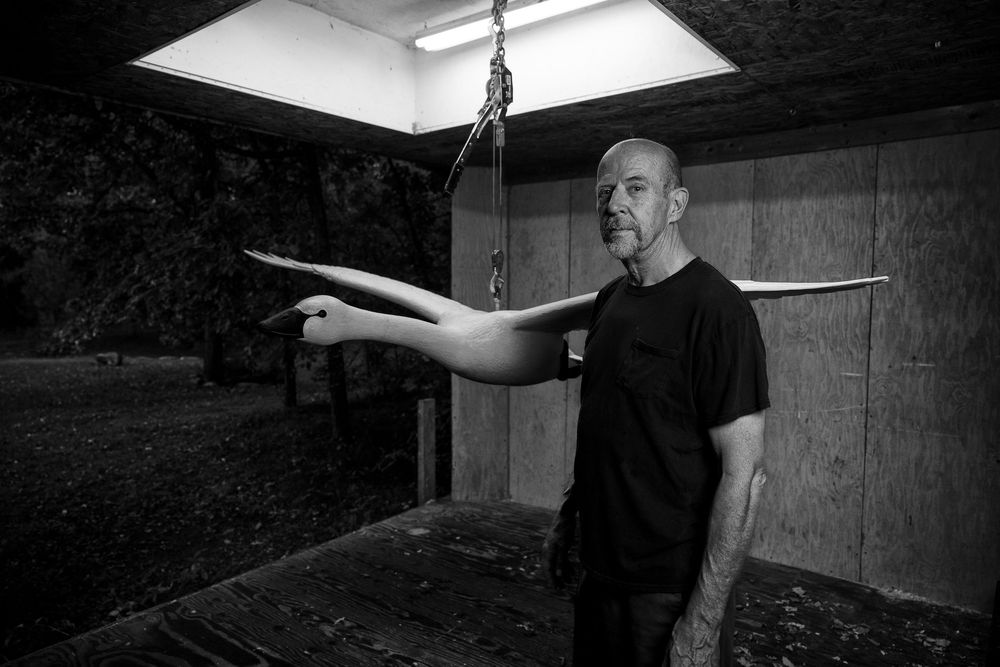
Photographed here in his outdoor studio nestled between Akeley and Nevis, Paul is at work on a trumpeter swan sculpture for Cedar Swan in Nevis.
I first discovered Paul’s work at Art Leap shortly after moving to the Heartland Lakes area. Since 2006, Art Leap has introduced regional artists to visitors curious about their artwork, their process, and the ways they draw inspiration from our natural surroundings. I’ve followed Paul’s work ever since.
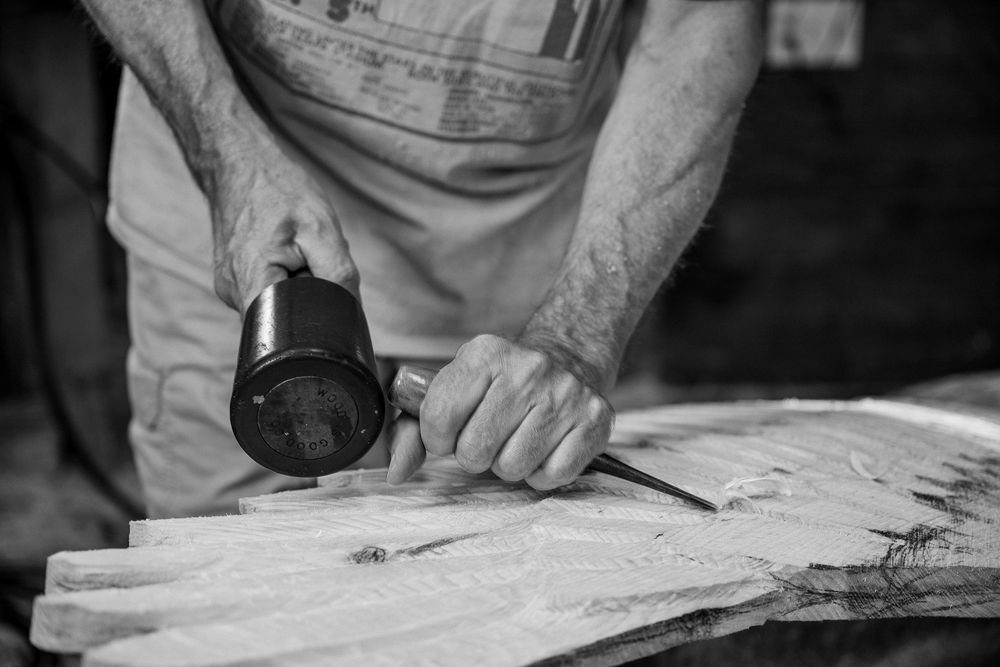
Working primarily in wood, Paul creates sculptures ranging from intimate relief carvings to large-scale outdoor pieces. His practice is deeply informed by his comfort with tools—many of which he makes himself—a sensibility shaped by growing up on a family farm. This interview established the foundation for what would become a months-long documentation of a sculpture in motion.
The Studio Visits
August–September
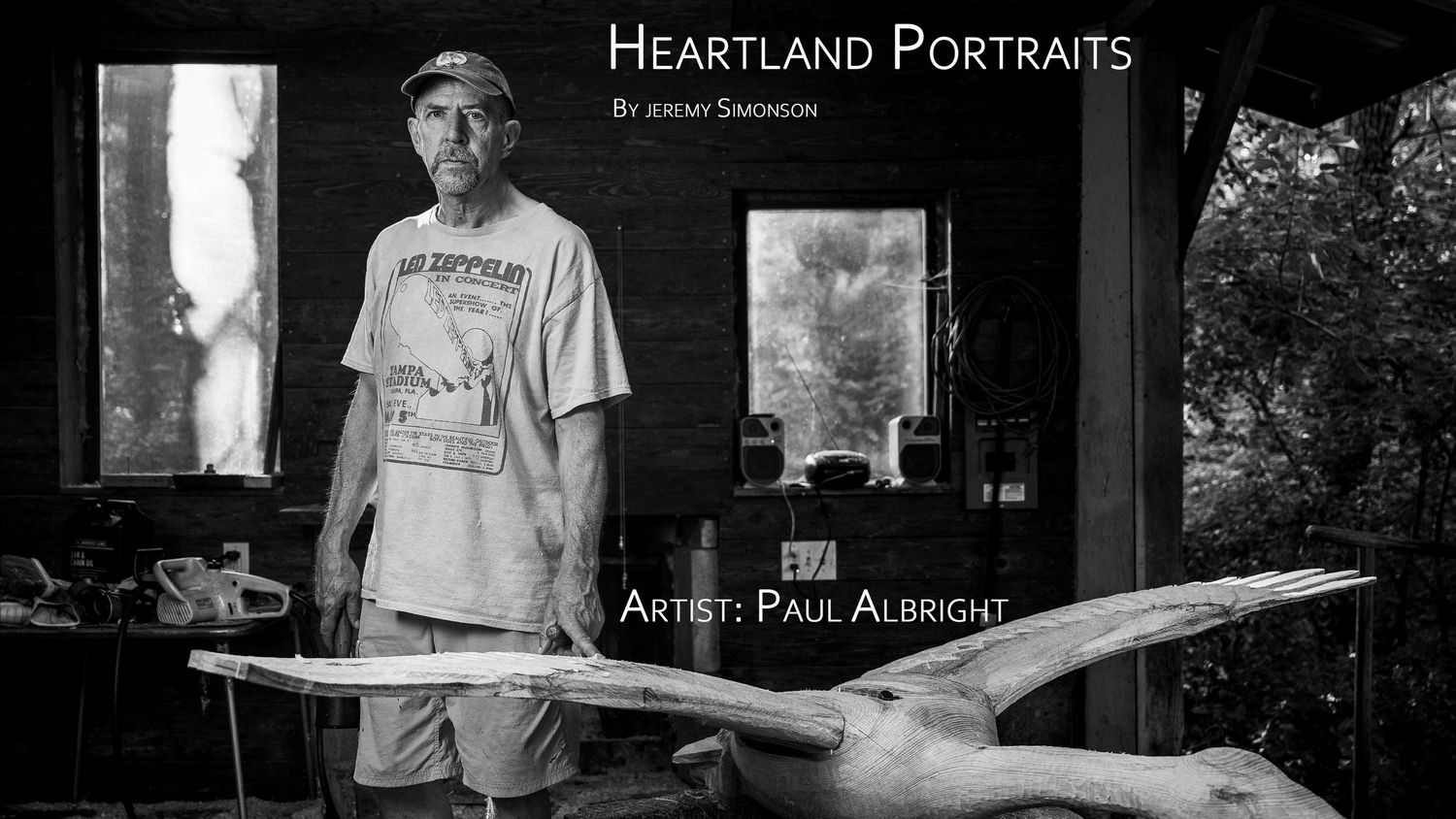
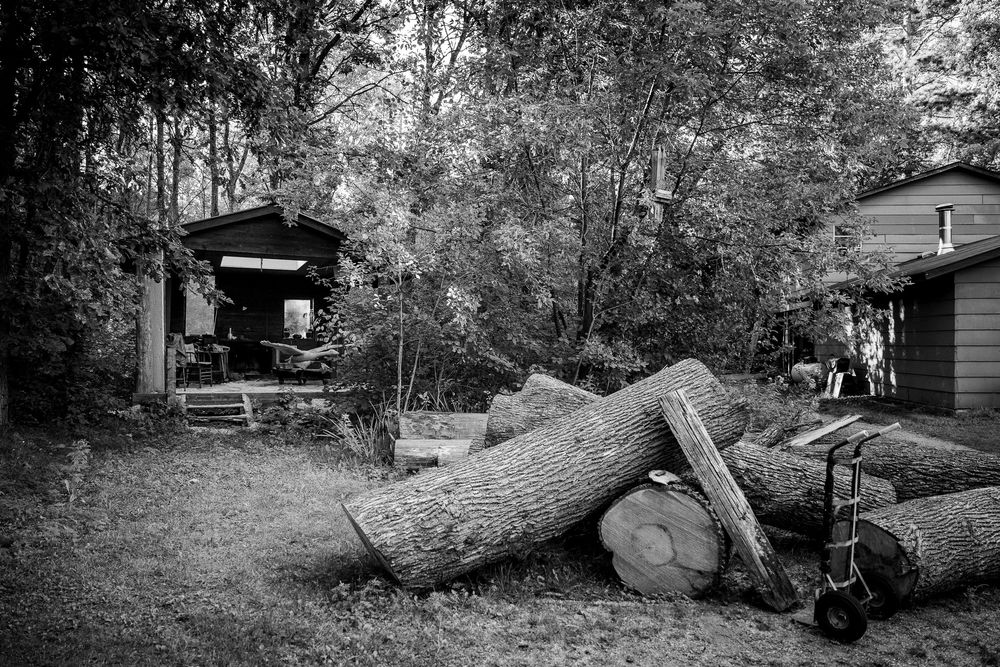
Over the course of August and September, I returned for three separate visits to follow Paul as he began, developed, completed, and ultimately installed a Trumpeter Swan sculpture at Cedar Swan in Nevis. These visits allowed me to witness the full arc of a work coming into being—from raw material to finished presence in the landscape.
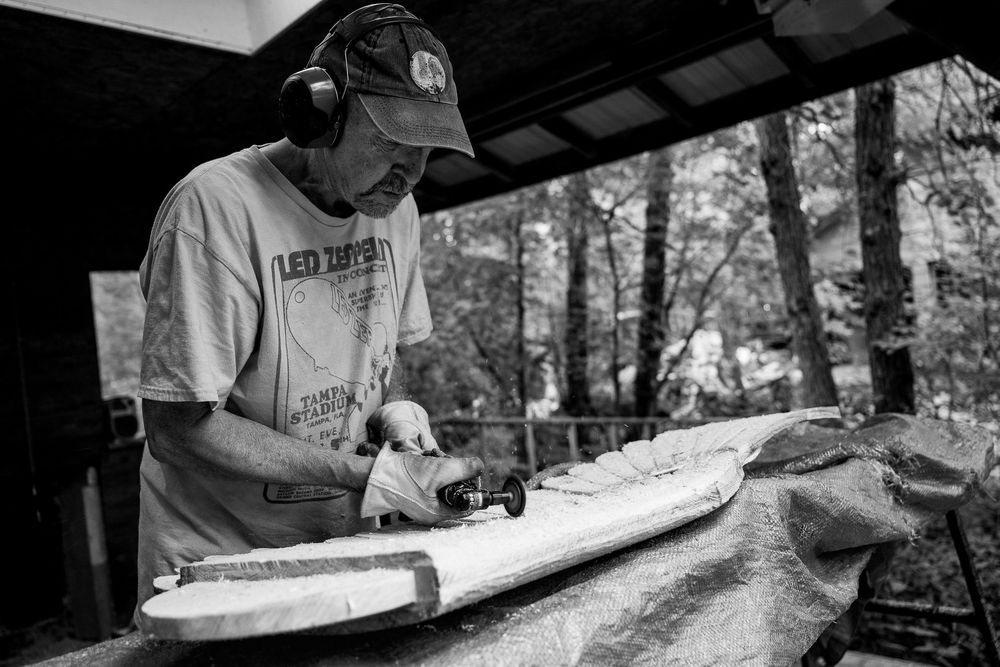
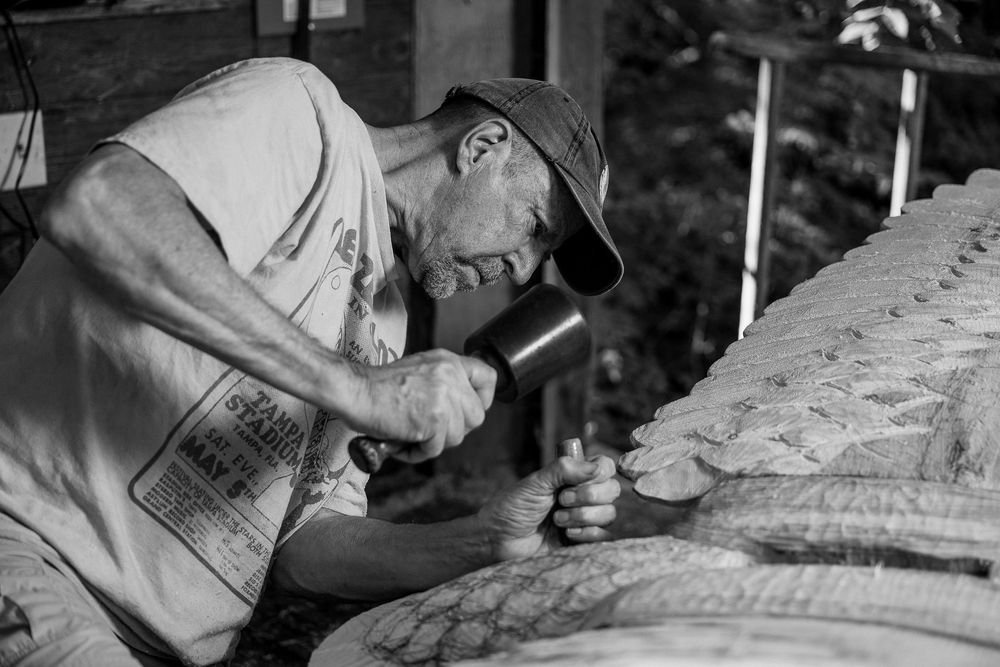
Sculpture demands patience. Unlike painting, change does not happen instantly. Paul often spoke about how progress can take many steps before becoming visible, and how important it is to hold a clear vision while remaining open to discovery. Mistakes are not interruptions to the process; they are invitations. One decision leads to another, and something unexpected begins to emerge.
The tools, the wood, and the environment all play an active role in this exchange. Paul favors woods like white cedar for outdoor durability and butternut for its warmth and work-ability—materials that respond differently to each cut and gesture. These visits weren’t about capturing a single moment, but about honoring duration: the time it takes to listen to the material and to know when a piece is finished—or when it’s time to let go.
The Portrait Session
December 22nd
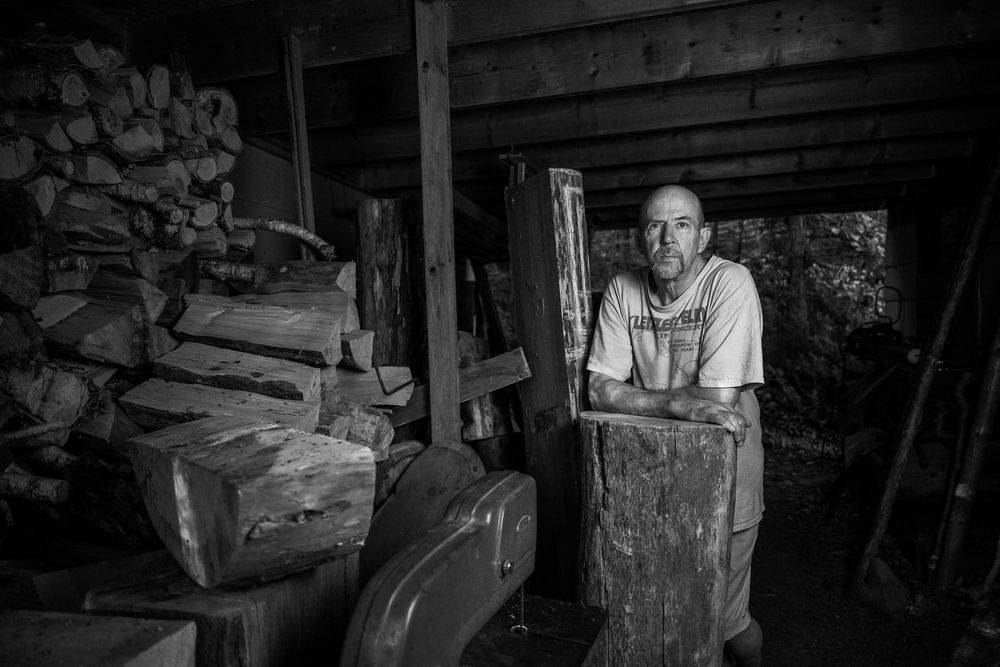
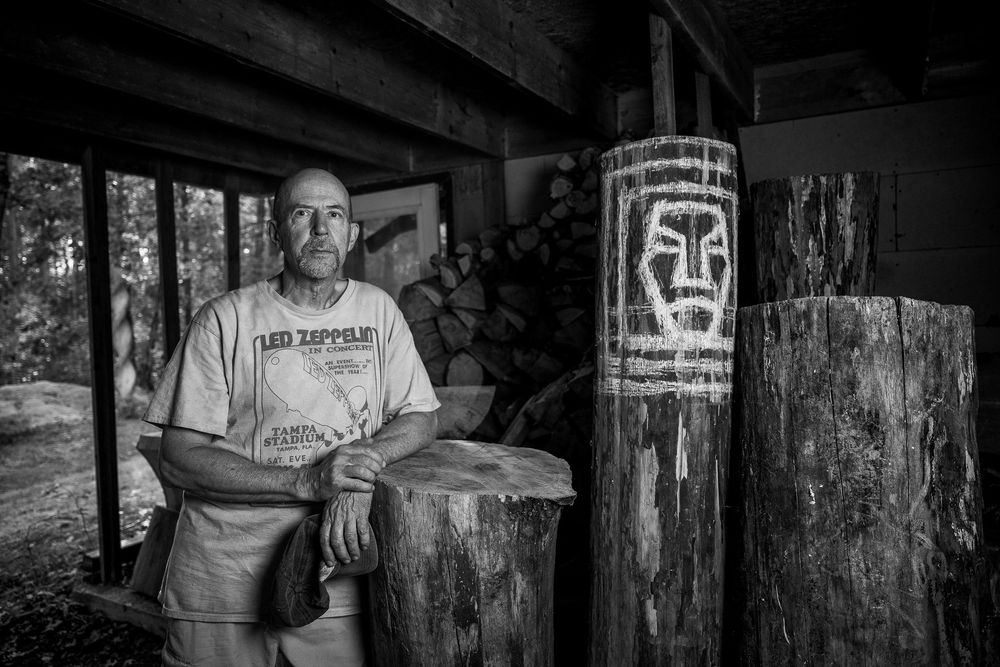
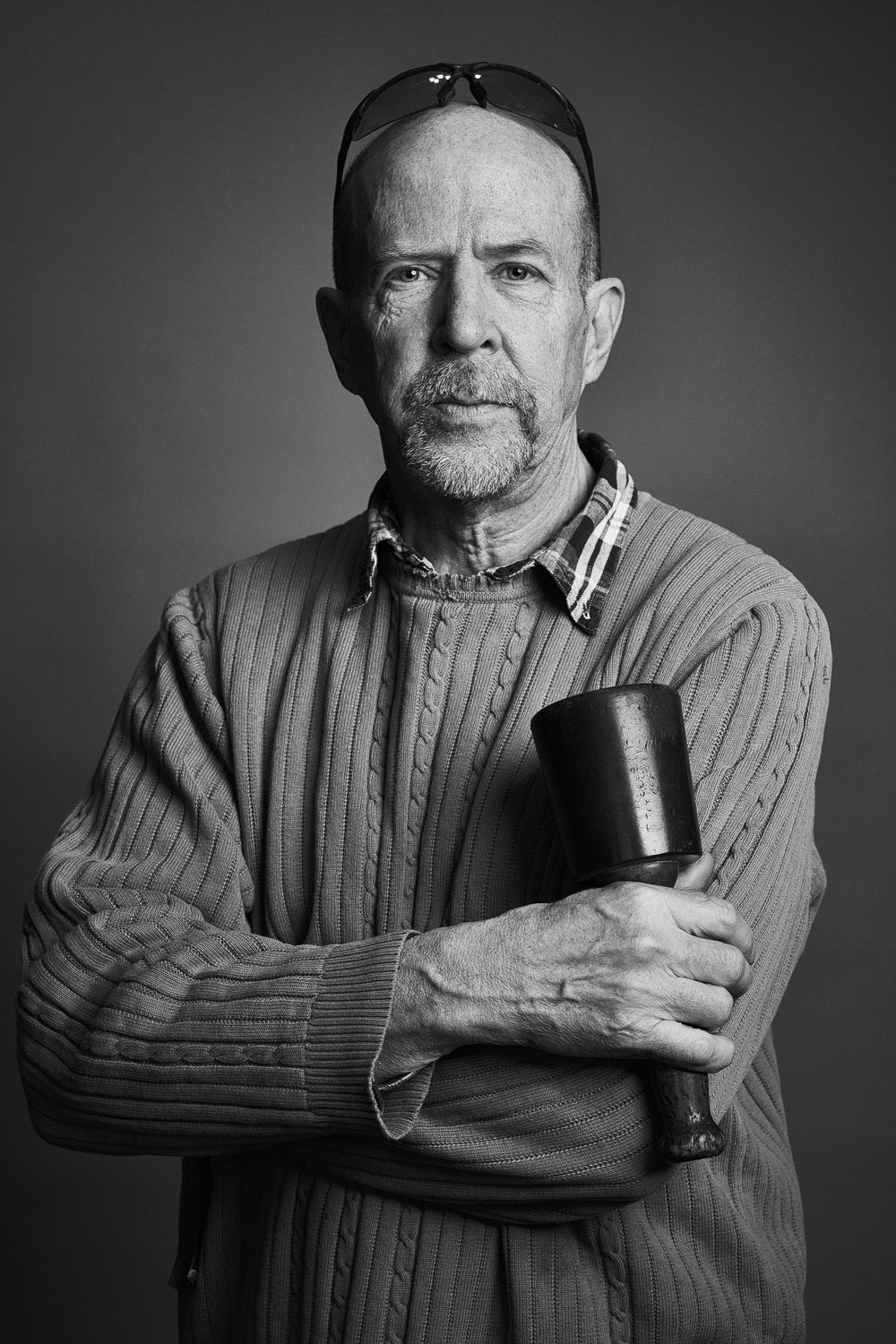
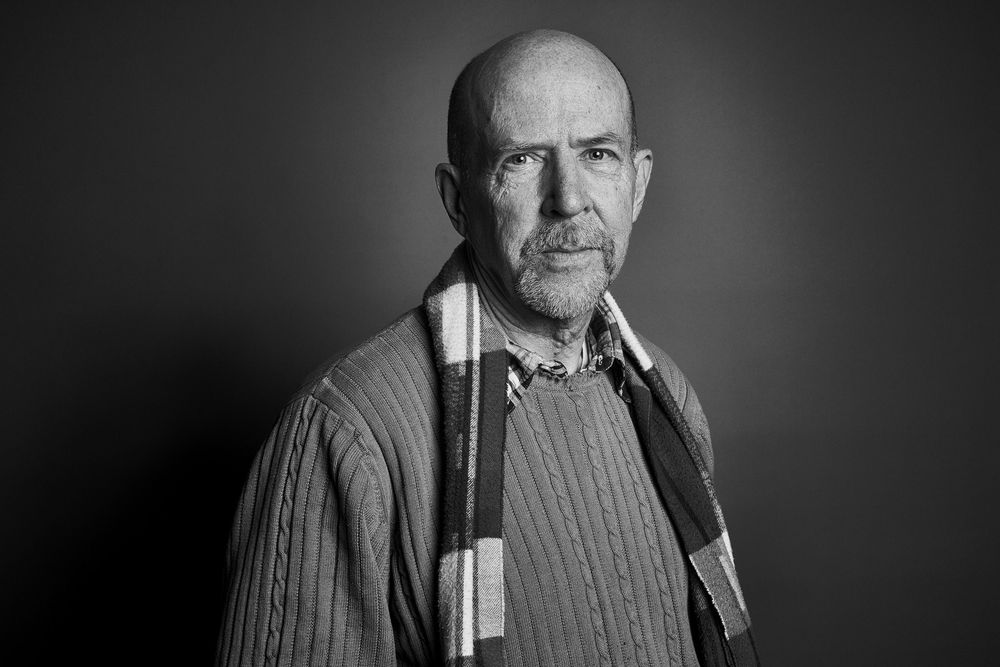
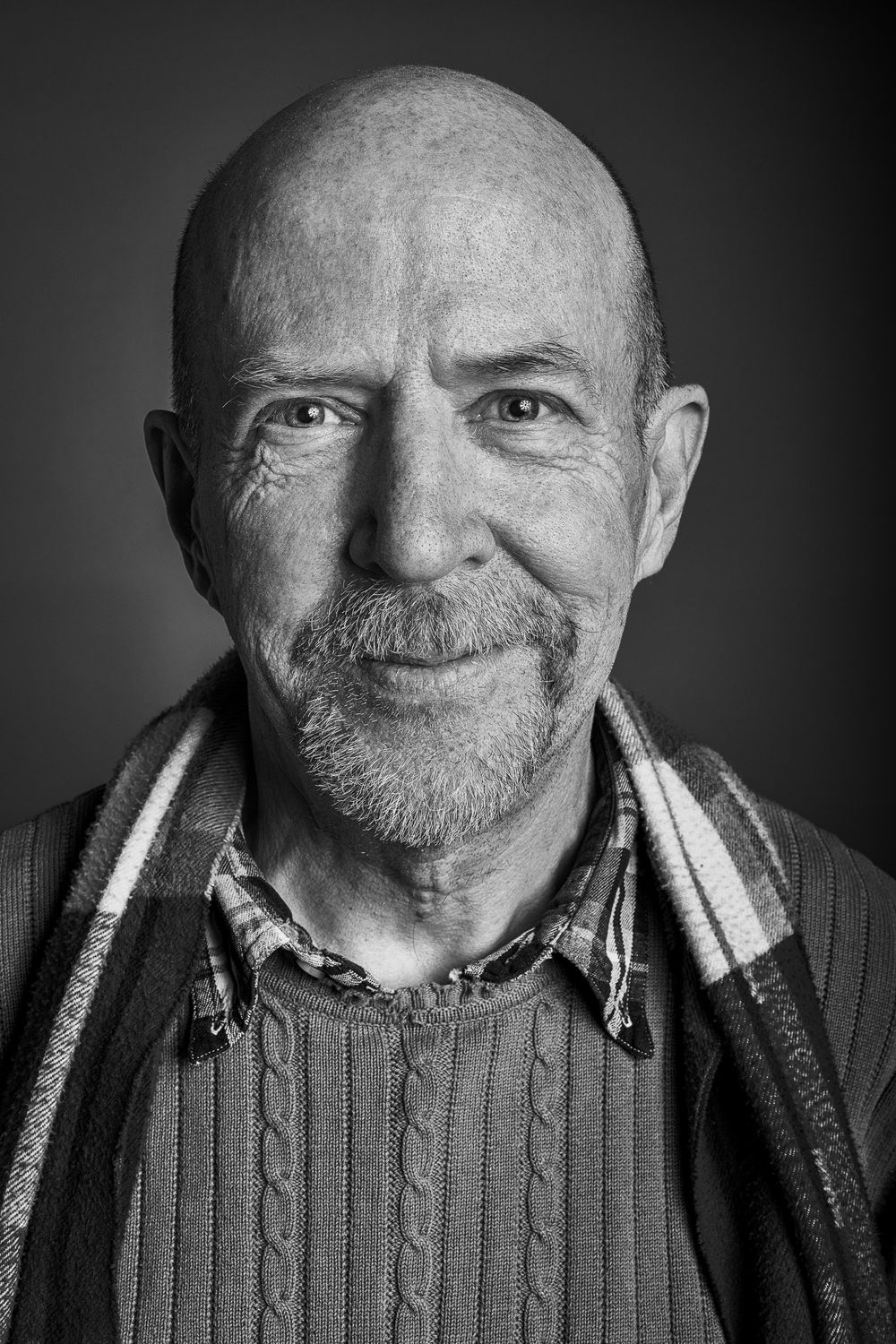
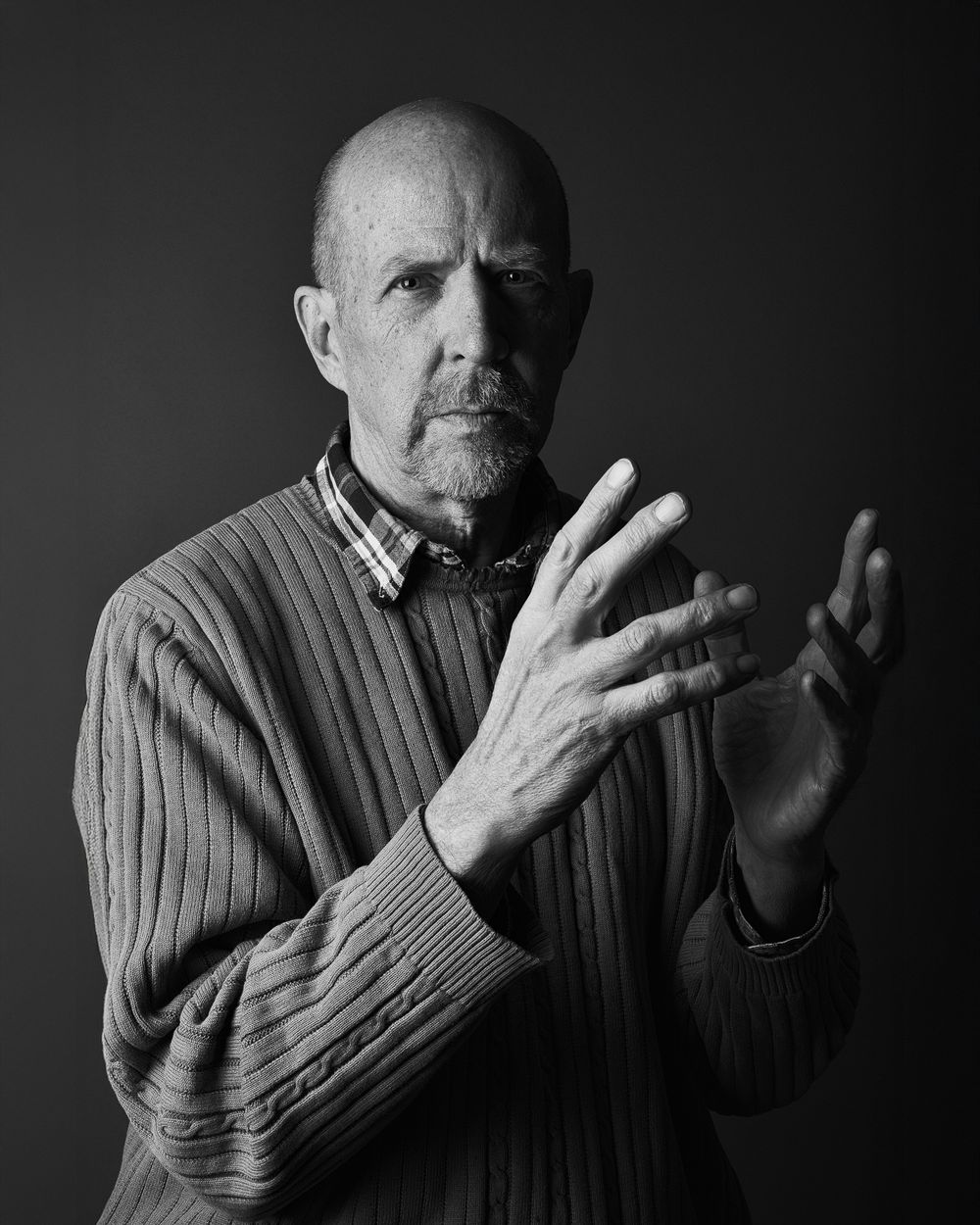
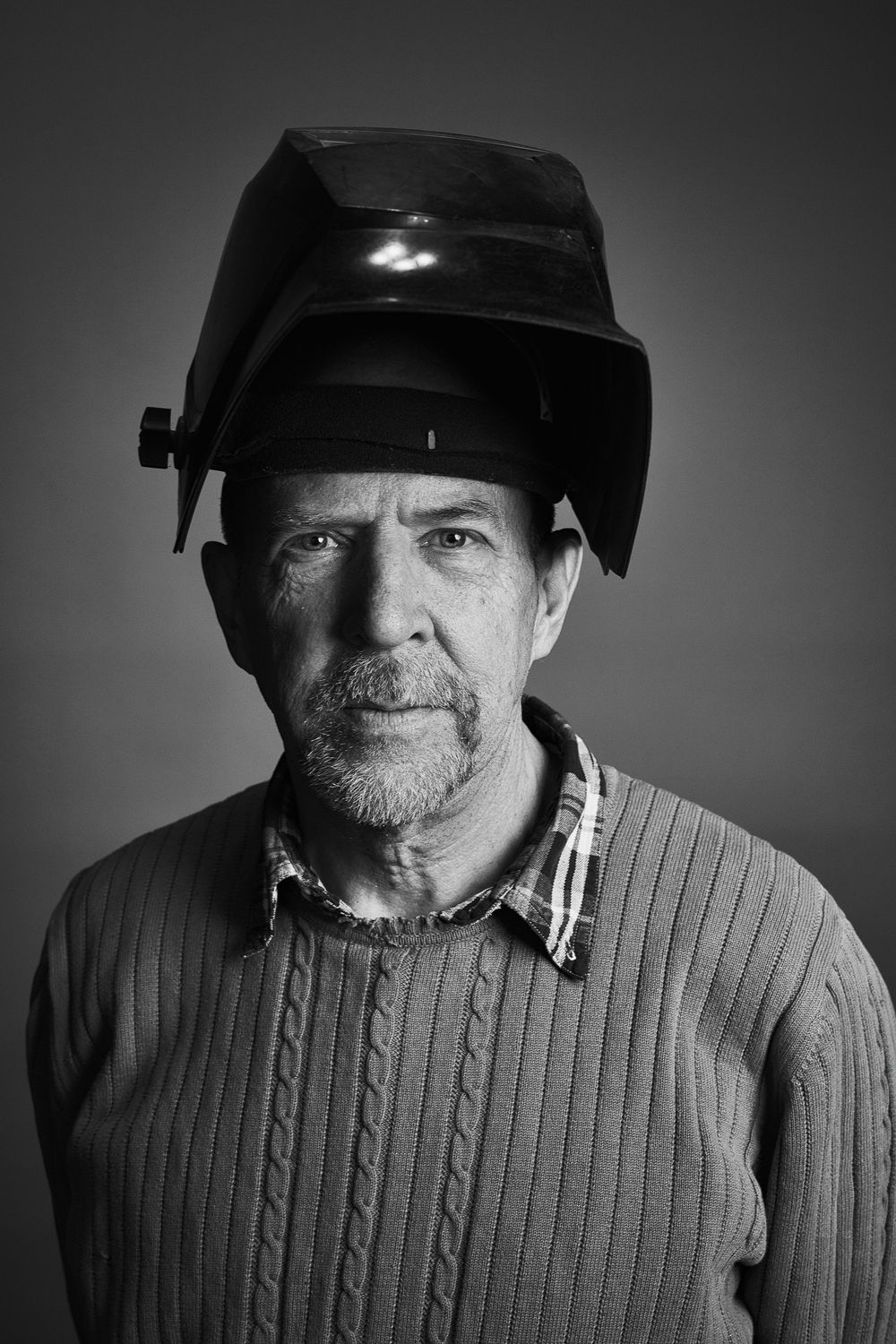
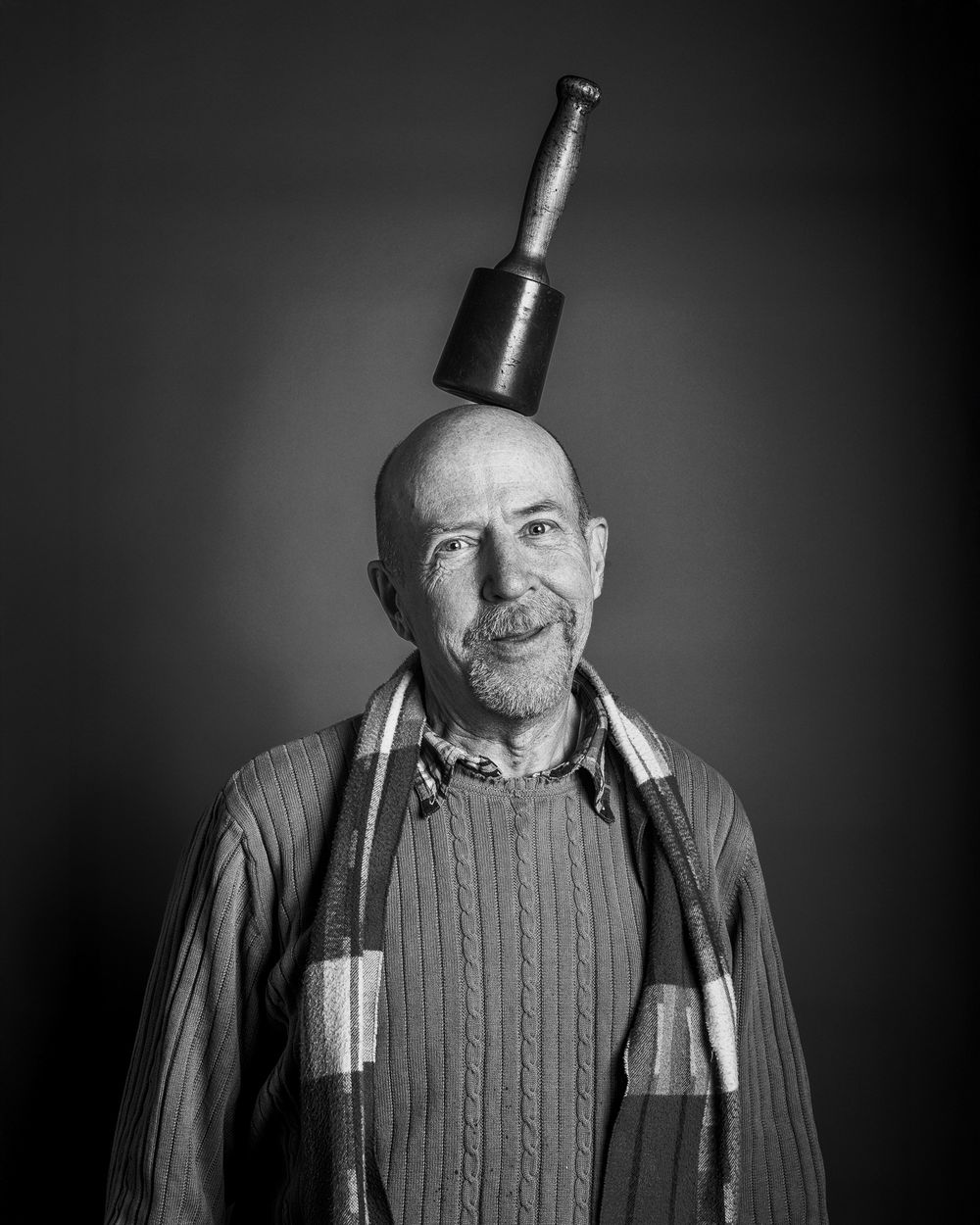
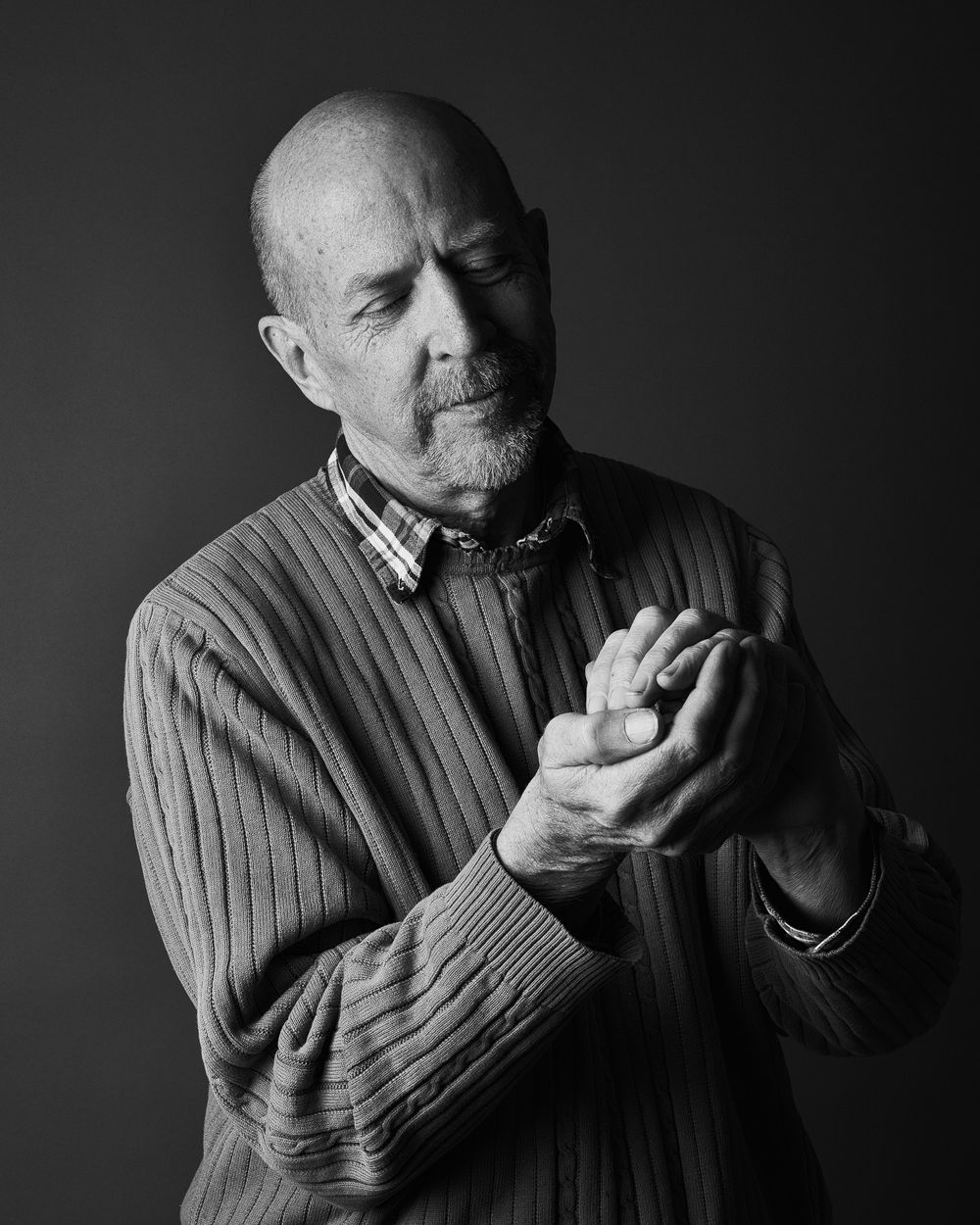
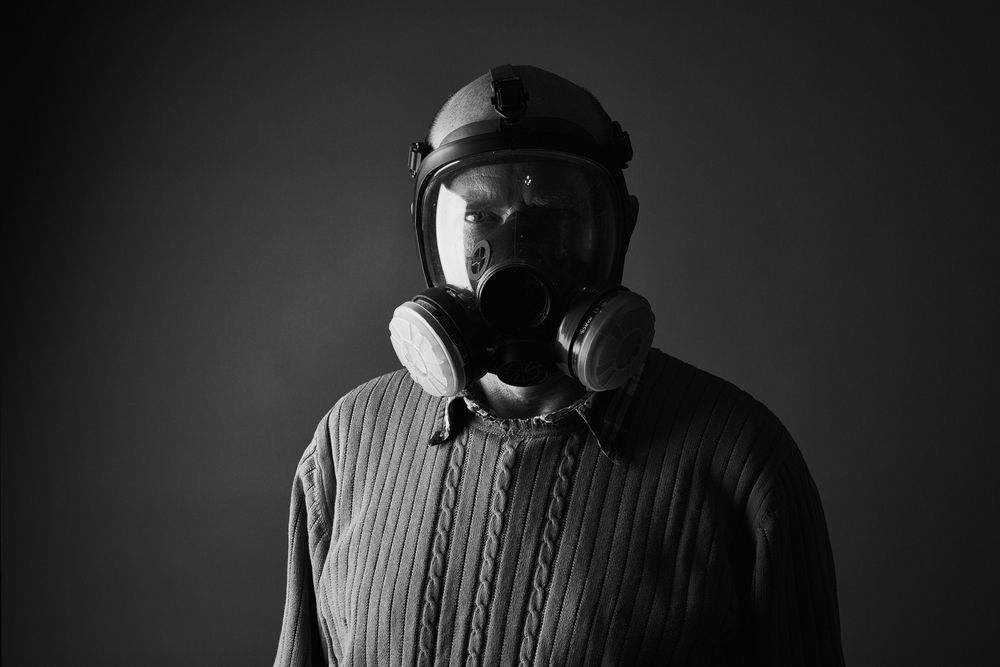
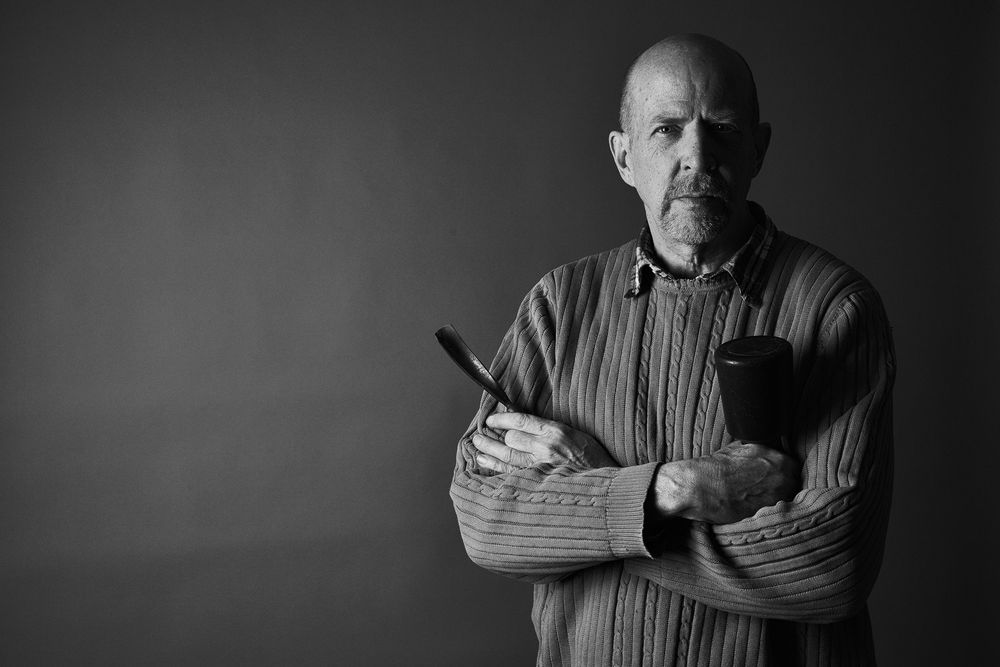
The studio portrait session brought the focus back to Paul himself, separate from the scale of the sculpture but deeply informed by it. After weeks of observing his process, the portrait became an opportunity to reflect on the qualities that guided his work: attentiveness, restraint, and a trust in intuition built through years of making.
While the studio offers a controlled environment, the goal is not to remove the physicality of Paul’s practice, but to distill it. Upon my request he brought several tools of the trade which were perfect to reflect the man, the artist, the sculptor. What emerges is not a depiction of the work, but of the person behind the work, who listens closely enough to know when a piece is complete.
Heartland Portraits by Jeremy Simonson
Jeremy Simonson is a fiscal year 2025 recipient of a Creative Individuals grant from the Minnesota State Arts Board. This activity is made possible by the voters of Minnesota through a grant from the Minnesota State Arts Board, thanks to a legislative appropriation from the arts and cultural heritage fund.
With the support of a Creative Individuals grant from the Minnesota State Arts Board, I’m launching Heartland Portraits—a photographic project that documents the lives, stories, and creative spaces of culture bearers and artisans in the Heartland Lakes region of Minnesota.
Through interviews, documentary photography, and portraiture, this project celebrates the rich cultural heritage of our community while challenging me to grow as both photographer and storyteller. Having been shaped by the creative spirit of this region myself, I’m excited to shine a light on the artists who make this place truly special.